Muziris Project Heritage, with collaboration of Kerala Government, is holding the first International symposium of Spice Routes: Old ties, New Journey, between 6-8th January located in Kochi, Kerala, South India. It is an honour to be one of the invitee Speakers on the 2026 landmark of historical global and industrious journey. Thank you to Prof. M.H. Ilias for his ideal vision and generosity and Mahmood Kooria who has connected me to his scholarly network.
I was in the same panel with the prolific scholars, Sherbanu Khan and Sundar Vadlamundi, whose works has previously illuminated mine in the rowing list of citations and footnotes during my age of PhD studentship, while learning on the vibrant entanglement of the Indian Ocean. This time I share research -based knowledge on the Indian Ocean international order and how the shifting power disconnected, borrowing the word of Ophira Gamliel, the once and most decentred autonomous Keling merchants’ economy.
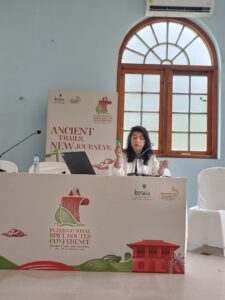
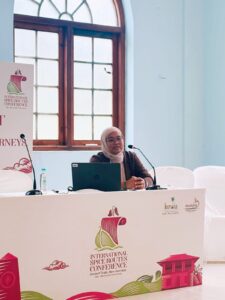
Here is the brief highlight of my presentation. Based on Indo Malay historical records, the Keling is referred to the influx of traders coming from South India, that is the Tamil Nadu, Kerala, and Coromandel coasts. They were entitled to Indo-Malay Sultanates’ specific levy rule on the vessels and commodities. In colonial records, they were known in mix identification of Nainar, Chuliah, Marakayyar, Lebai, Rawther, and the offspring of South Indian descendants, before it went downhill with the rise trend of Darwinian and race theories, lucratively capitalized for the sustainability of imperialism.
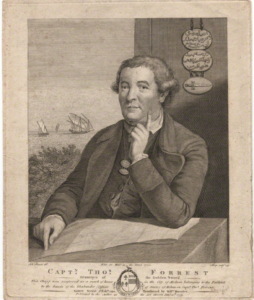
Their erasure, I would argue, is the result of colonial hegemonic infrastucture that replaced the universal, open, and decentred economic systems that has had engineered the cosmopolitanism of this region. Thomas Forrest in his account publish in 1792 utilized the word ‘undefeated’ to describe economic vehicle of the Kelings. It was not only for the incomprehensible cheap price and low tax, they were also prominent in maintaining the quality of commodities for a long voyage that preserved a sense of trusts towards the Kelings. Francis Light, too, in his view of the Keling Chuliah in Kedah, pronounced similar tone.
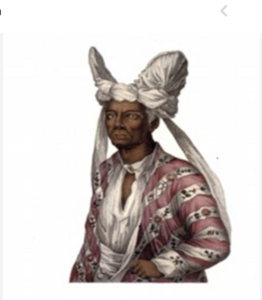
The colonial infrastructure disrupted their fabric system of economy by treaty-binded monopoly on trade, Institutionalization of maritime boundaries law that benefitted one master, and legitimization of security to guard one-man economic interest. Those who against the treaty faced sanctions and penalty. Those who breached maritime boundaries law called pirates and be served jail time. Those who acted against treaty and law failed to escape the wrath of military. By this new infrastructure of order, not only the Kelings trading system, many global players too had to succumb into abomination.
Referred for more in my book:
Deliana, N. The Ocean Remembers: Indians and the Tide of Empire, Kuala Lumpur: Gerak Budaya, 2026. https://www.gerakbudaya.com/product/the-ocean-remembers?srsltid=AfmBOor4BA_RYjvlVpq74wb9MUluWhR4Ja_NXG1xgkr0PuNNdVOL9Ype
